
How To Support Your Child’s Basketball Journey With Confidence And Care
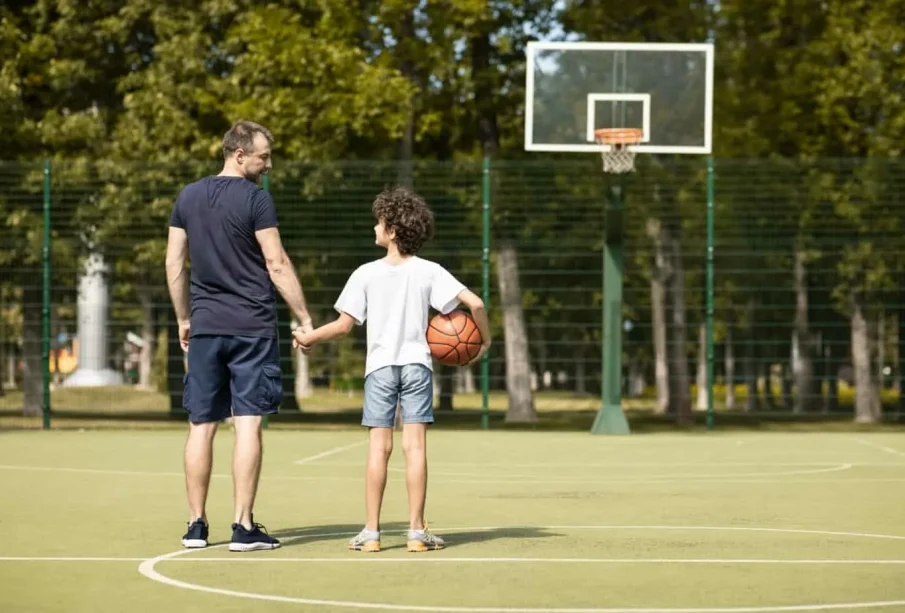
Basketball is more than a sport for many young athletes. It is a way to learn discipline, teamwork, and resilience while developing both physical and mental skills. As a parent, your role in this journey is invaluable. Finding the right balance between encouragement, structure, and enjoyment can make a lasting difference. When you support your child’s basketball playing in meaningful ways, you help them grow both on and off the court.
Understanding Your Child’s Motivation
The first step is recognizing why your child wants to play basketball. Some kids are motivated by competition, while others play for social interaction, exercise, or fun. By asking questions and listening closely, you show that their goals matter. This understanding will guide how you provide encouragement and avoid putting unnecessary pressure on them.
Creating a Positive Environment
Children thrive when they know their efforts are valued. Applaud their dedication, whether it is showing up to practice on time or putting in extra work on their own. Praise effort rather than only outcomes, because learning how to handle challenges is as important as winning games. By keeping your focus on growth, you create a supportive environment where your child feels comfortable pushing their limits.
Balancing Training and Play
It can be tempting to fill your child’s schedule with practices, camps, and clinics. While structured training has benefits, kids also need time to simply enjoy the game. Shooting hoops in the driveway or playing pickup games with friends helps them develop creativity and love for basketball. A healthy balance prevents burnout and keeps them excited to keep learning.
Encouraging Smart Training Tools
Modern basketball training tools can help sharpen skills in ways that traditional drills cannot. Equipment that emphasizes reaction time, decision-making, and ball handling can make workouts both engaging and challenging. When you support your child’s basketball playing by introducing tools that replicate real-game scenarios, you give them the opportunity to improve in ways that directly transfer to the court.
Supporting Physical Health
Basketball is demanding on the body, and young athletes need to prioritize strength, conditioning, and recovery. Ensure your child gets enough rest, eats nutritious meals, and stays hydrated. Injuries often happen when players are fatigued or underprepared. Encourage stretching, warm-ups, and cooldowns as part of their routine. This not only helps prevent injury but also builds lifelong habits of self-care.
Encouraging Mental Growth
Basketball teaches more than physical skills. It also develops focus, confidence, and resilience. Talk with your child about handling both success and setbacks. Celebrate their progress, but also guide them in viewing mistakes as learning opportunities. By helping them build a strong mindset, you prepare them not only for sports but also for challenges in school and life.
Building Team Spirit
Basketball is about working together toward a common goal. Support your child in being a good teammate by encouraging respect for coaches, teammates, and opponents. Remind them that leadership is not just about scoring points but also about listening, sharing, and uplifting others. These lessons build character that extends far beyond the game.
Avoiding Common Pitfalls
Many parents unintentionally put pressure on their children by focusing too much on results or comparing them to others. Keep the emphasis on personal growth, effort, and enjoyment. Avoid coaching from the sidelines during games, as this can confuse or frustrate your child. Instead, let coaches handle instruction and focus on being your child’s biggest supporter.
Long-Term Perspective
Few young athletes will play basketball professionally, but every child can take something meaningful from the game. Whether it is building friendships, staying active, or developing leadership skills, basketball offers lifelong benefits. When you focus on the bigger picture, you ensure that your support is grounded in what truly matters.
Conclusion
Being involved in your child’s basketball journey is about balance. Celebrate their hard work, encourage their passion, and provide opportunities for growth without overwhelming them. By choosing the right training tools, nurturing both their physical and mental health, and creating a positive environment, you can make basketball an experience they will cherish for years to come. Ultimately, when you support your child’s basketball playing, you help them develop skills that go far beyond the court.