
Rebound Training Equipment: Elevating Fitness And Performance In Every Workout
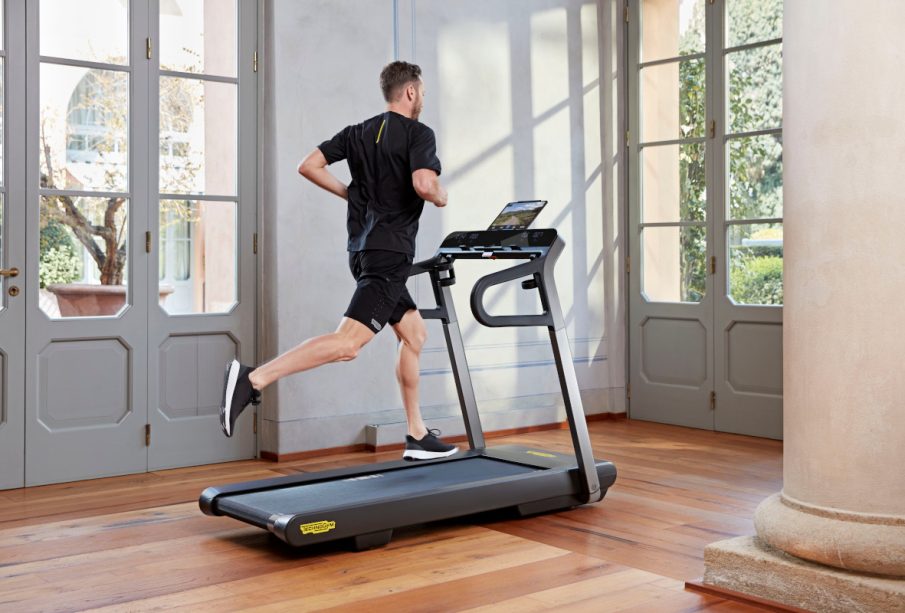
Modern fitness enthusiasts are constantly seeking innovative ways to improve their strength, agility, and overall wellness. Among the emerging tools transforming workouts today, rebound training equipment has become a favorite for athletes, trainers, and home exercisers alike. While the concept may seem simple, its applications and benefits are extensive, making it a valuable addition to any fitness regimen.
What Is Rebound Training Equipment?
Rebound training equipment typically refers to apparatuses designed to provide resistance and controlled rebound during exercise. By incorporating elastic tension or spring-like mechanisms, this equipment allows users to engage multiple muscle groups simultaneously while improving coordination, balance, and cardiovascular endurance. Whether used for rehabilitation, high-intensity training, or low-impact workouts, rebound equipment offers versatility and effectiveness.
Key Benefits of Rebound Training Equipment
Using rebound training equipment provides a range of advantages that traditional workouts might not deliver as efficiently:
- Low-Impact Exercise: Many rebound systems absorb shock, reducing stress on joints while still providing an effective workout.
- Enhanced Strength and Power: The rebound action forces muscles to contract and release rapidly, improving explosive power and overall strength.
- Improved Coordination and Balance: Continuous tension and movement during exercises challenge stabilizing muscles, enhancing balance and agility.
- Cardiovascular Conditioning: Rebound training often combines strength and aerobic movement, promoting heart health and endurance.
- Adaptable for All Fitness Levels: Resistance can be adjusted, making the equipment suitable for beginners and professional athletes alike.
Common Types of Rebound Training Exercises
Rebound training equipment can be integrated into numerous workout routines. Some popular exercises include:
- Jump Squats and Lunges: Incorporating controlled rebounds to enhance lower body strength and agility.
- Push and Pull Movements: Using resistance to engage the upper body, including chest, shoulders, and back.
- Core Workouts: Abdominal exercises that incorporate balance and rebound for stronger core muscles.
- Plyometric Drills: High-intensity, explosive movements that build power and speed while minimizing impact.
Rebound Training for Rehabilitation and Injury Prevention
One of the lesser-known benefits of rebound training equipment is its role in rehabilitation. Physical therapists often use rebound systems to help patients regain mobility, strength, and coordination after injury. The low-impact, controlled resistance allows for safe progression while minimizing the risk of further injury. Athletes recovering from joint or ligament issues, for instance, can maintain cardiovascular fitness without overloading vulnerable areas.
Integrating Rebound Training Equipment into Your Routine
To maximize the benefits of rebound training equipment, consider these best practices:
- Start with Proper Instruction: Understanding correct form and resistance levels is crucial to prevent injury and achieve optimal results.
- Warm-Up and Cool-Down: Even low-impact exercises benefit from proper stretching and mobility preparation.
- Incorporate Variety: Combine rebound exercises with traditional strength training or cardio to create a balanced program.
- Track Progress: Monitor strength, endurance, and balance improvements to adjust intensity and maintain motivation.
- Prioritize Safety: Ensure equipment is properly maintained and secure, and always follow manufacturer guidelines.
Applications Beyond Personal Fitness
Rebound training equipment is not limited to gyms or home workouts. Its versatility makes it suitable for multiple settings:
- Athletic Training: Professional teams and coaches use rebound systems to improve agility, explosiveness, and injury resilience.
- Physical Therapy Clinics: Rehabilitation specialists integrate rebound tools to enhance recovery and functional mobility.
- Fitness Studios: Group classes often incorporate rebound exercises for a dynamic, low-impact full-body workout.
- Home Fitness: Compact designs allow individuals to achieve professional-level workouts in small spaces.
Choosing the Right Rebound Training Equipment
Selecting the appropriate rebound equipment depends on your fitness goals, space, and level of experience. Durable materials, adjustable resistance, and ergonomic design enhance usability and longevity. For home use, consider compact models that offer multiple exercise options without occupying excessive space. For professional settings, commercial-grade systems provide stability and resistance suitable for high-frequency use.
Conclusion
Rebound training equipment offers a unique blend of strength, agility, and cardiovascular benefits, all while maintaining a low impact on joints. From athletic training and rehabilitation to home workouts, this versatile equipment can elevate almost any fitness routine. By understanding its applications and integrating it thoughtfully, users can enjoy improved performance, safer workouts, and an engaging exercise experience. As fitness trends continue to evolve, rebound training stands out as a practical, effective, and adaptable solution for achieving wellness goals.