
Maximise efficiency, the benefits of upgraded warehouse lighting
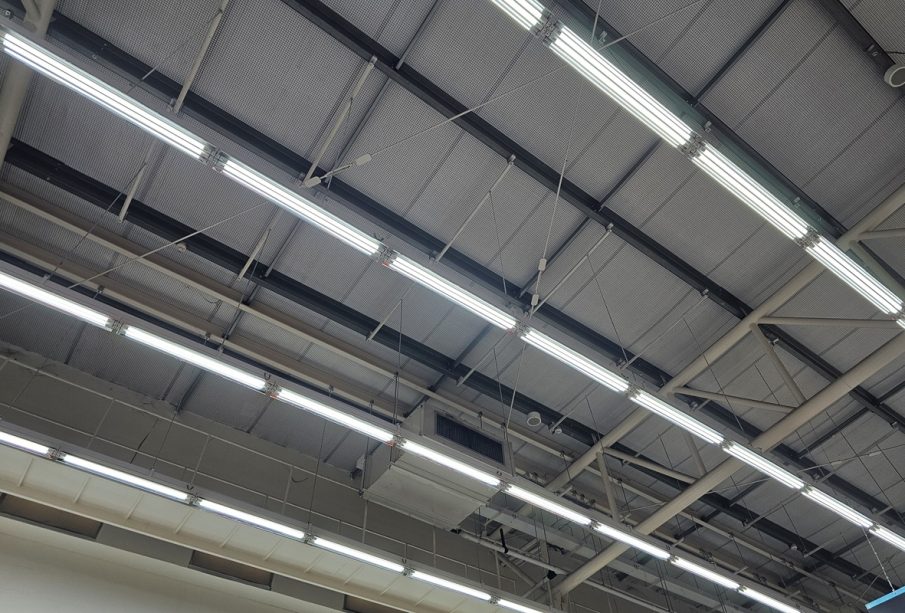
In the bustling environment of a warehouse, efficiency is paramount. Every aspect of operations, from logistics to storage, needs to be optimised to ensure smooth workflows and maximum productivity. One often overlooked element that can significantly impact efficiency is lighting. Upgrading your warehouse lighting can yield a multitude of benefits, creating a safer, more productive, and cost-effective workspace.
Considering a warehouse lighting installation isn’t just about replacing old bulbs; it’s a strategic investment that can transform your warehouse. From reducing energy consumption to enhancing visibility and improving employee morale, the advantages are substantial. Let’s delve into the various ways upgraded lighting can benefit your warehouse.
The advantages of modern warehouse lighting
Modern warehouse lighting offers a significant leap forward compared to traditional lighting systems. These advancements not only improve the quality of light but also provide numerous operational and financial advantages. Here are some of the key benefits you can expect from upgrading your warehouse lights.
Enhanced visibility and safety
Adequate lighting is crucial for maintaining a safe and productive work environment. Poor lighting can lead to accidents, errors, and reduced efficiency. Upgrading to modern lighting solutions significantly improves visibility, reducing the risk of workplace incidents. Brighter, more consistent light helps employees see clearly, navigate safely, and perform tasks with greater accuracy.
Improved visibility also means fewer errors in inventory management and order fulfilment. With clear lighting, workers can easily identify products, read labels, and operate machinery without straining their eyes. This results in increased accuracy and reduced downtime due to mistakes.
Reduced energy consumption and costs
One of the most compelling reasons to upgrade your warehouse lighting is the potential for significant energy savings. Traditional lighting systems, such as fluorescent and metal halide, consume a considerable amount of energy. Modern LED lighting, on the other hand, is far more energy-efficient, using up to 75% less energy while providing the same or better light output. This translates to substantial savings on your electricity bills.
Furthermore, LED lights have a much longer lifespan than traditional bulbs. This means fewer replacements, reduced maintenance costs, and less disruption to your operations. Over time, the savings from reduced energy consumption and maintenance can add up to a significant return on investment.
Improved employee morale and productivity
The impact of lighting on employee morale and productivity should not be underestimated. Poor lighting can cause eye strain, headaches, and fatigue, leading to decreased performance and increased absenteeism. Upgrading to brighter, more natural-looking light can create a more pleasant and stimulating work environment. When employees feel comfortable and alert, they are more likely to be productive and engaged in their work.
Additionally, better lighting can improve the overall atmosphere of the warehouse, making it a more appealing place to work. This can help attract and retain skilled employees, reducing turnover and improving the overall quality of your workforce. Happy, healthy employees are more productive, and good lighting plays a vital role in creating that positive environment.
Compliance with safety regulations
Warehouses are subject to various safety regulations regarding lighting levels. Upgrading your lighting system can help ensure that you meet these requirements, avoiding potential fines and penalties. Compliance with safety standards also demonstrates a commitment to employee well-being, further enhancing your reputation as a responsible employer.
Local councils and regulatory bodies often have specific guidelines for lighting levels in different areas of a warehouse, such as loading docks, storage areas, and walkways. By working with a qualified electrical contractor, you can ensure that your lighting system meets all relevant regulations and provides a safe and compliant work environment.
Choosing the right lighting for your warehouse
Selecting the appropriate lighting system for your warehouse requires careful consideration of several factors, including the size of the space, the type of activities performed, and the specific lighting requirements of different areas. Here are some key aspects to keep in mind when choosing your warehouse lighting.
Consider the type of lighting
Different types of lighting are suitable for different warehouse applications. LED lights are generally the preferred choice due to their energy efficiency, long lifespan, and high-quality light output. However, other options may be more appropriate depending on your specific needs. Here are some common types of warehouse lighting:
- LED High Bay Lights: Ideal for illuminating large, open spaces with high ceilings.
- LED Low Bay Lights: Suitable for areas with lower ceilings, such as storage rooms and loading docks.
- LED Strip Lights: Versatile and energy-efficient, perfect for general illumination and task lighting.
- Emergency Lighting: Essential for ensuring safety during power outages.
Assess your specific lighting needs
Every warehouse has unique lighting requirements based on its layout, operations, and specific tasks performed. Conduct a thorough assessment of your warehouse to identify areas that require more or less light. Consider factors such as the height of the ceilings, the size of the space, and the type of work being done in each area.
For example, loading docks may require brighter lighting to ensure safe and efficient loading and unloading of goods. Storage areas may need less intense lighting, while inspection areas may require focused task lighting. By tailoring your lighting system to the specific needs of each area, you can optimise energy efficiency and improve overall productivity.
Evaluate colour temperature and CRI
Colour temperature and Colour Rendering Index (CRI) are important factors to consider when choosing your warehouse lighting. Colour temperature refers to the warmth or coolness of the light, measured in Kelvin (K). Warmer light (lower Kelvin) is more yellow, while cooler light (higher Kelvin) is more blue. CRI measures the accuracy of colour rendering, with a higher CRI indicating more accurate colour representation.
For most warehouse applications, a colour temperature of 4000K to 5000K is recommended, as it provides a bright, neutral light that is easy on the eyes. A CRI of 80 or higher is also desirable, as it ensures that colours are accurately represented, which is important for tasks such as product inspection and quality control.
Consider control systems and automation
Modern lighting systems offer a range of control options that can further enhance energy efficiency and convenience. Motion sensors, daylight harvesting systems, and dimming controls can automatically adjust lighting levels based on occupancy and ambient light, reducing energy consumption and extending the lifespan of your lights.
For example, motion sensors can turn lights on only when someone is present in a particular area, while daylight harvesting systems can dim lights when natural light is abundant. Dimming controls allow you to adjust lighting levels to suit different tasks and conditions, providing greater flexibility and control over your lighting environment.
The process of warehouse lighting installation
The high bay led lights installation process typically involves several steps, from initial assessment and planning to final testing and commissioning. It is essential to work with a qualified and experienced electrical contractor to ensure that the installation is done safely and correctly.
Initial assessment and planning
The first step in the installation process is to conduct a thorough assessment of your warehouse to determine your specific lighting needs. This involves evaluating the size of the space, the type of activities performed, and the existing lighting system. Based on this assessment, a lighting plan is developed, outlining the type and placement of lights, as well as any necessary control systems.
The lighting plan should also take into account any relevant safety regulations and building codes. A qualified electrical contractor can help you navigate these requirements and ensure that your lighting system meets all applicable standards.
Removal of old lighting systems
Before installing the new lighting system, the old lighting fixtures must be removed and disposed of properly. This may involve disconnecting electrical wiring, removing old bulbs and ballasts, and safely disposing of hazardous materials. It is important to follow proper safety procedures when removing old lighting systems to avoid electrical shocks and other hazards.
A professional electrical contractor will have the necessary equipment and expertise to safely and efficiently remove your old lighting system. They will also ensure that all materials are disposed of in an environmentally responsible manner.
Installation of new lighting fixtures
Once the old lighting system has been removed, the new lighting fixtures can be installed. This involves mounting the fixtures, connecting the electrical wiring, and testing the system to ensure that it is working properly. The installation process should be carried out by a qualified electrician who is familiar with the specific requirements of warehouse lighting systems.
Proper installation is crucial for ensuring the safety and performance of your lighting system. A professional electrician will ensure that all wiring is properly connected, that the fixtures are securely mounted, and that the system is properly grounded to prevent electrical shocks.
Testing and commissioning
After the installation is complete, the lighting system must be tested and commissioned to ensure that it is functioning correctly. This involves checking the light levels, verifying the operation of control systems, and making any necessary adjustments. The testing and commissioning process should be carried out by a qualified electrician who can identify and resolve any issues that may arise.
Proper testing and commissioning are essential for ensuring that your lighting system meets your specific needs and operates safely and efficiently. A professional electrician will provide you with a detailed report outlining the results of the testing and commissioning process, as well as any recommendations for future maintenance.
Making the switch to upgraded lighting
Upgrading your warehouse lighting is a smart investment that can yield significant benefits in terms of energy savings, improved safety, and enhanced productivity. By choosing the right lighting system and working with a qualified electrical contractor, you can transform your warehouse into a brighter, more efficient, and more comfortable work environment.
So, is it time to consider upgrading your warehouse lighting? Weigh the benefits, assess your needs, and make the switch to a brighter future for your business. The return on investment is well worth it.
Also Read: Critical Commercial Electrician Services Your Business Can’t Afford to Ignore