

Commercial Roofing Repair and Maintenance: A Practical Guide for Perth Building and Strata Managers
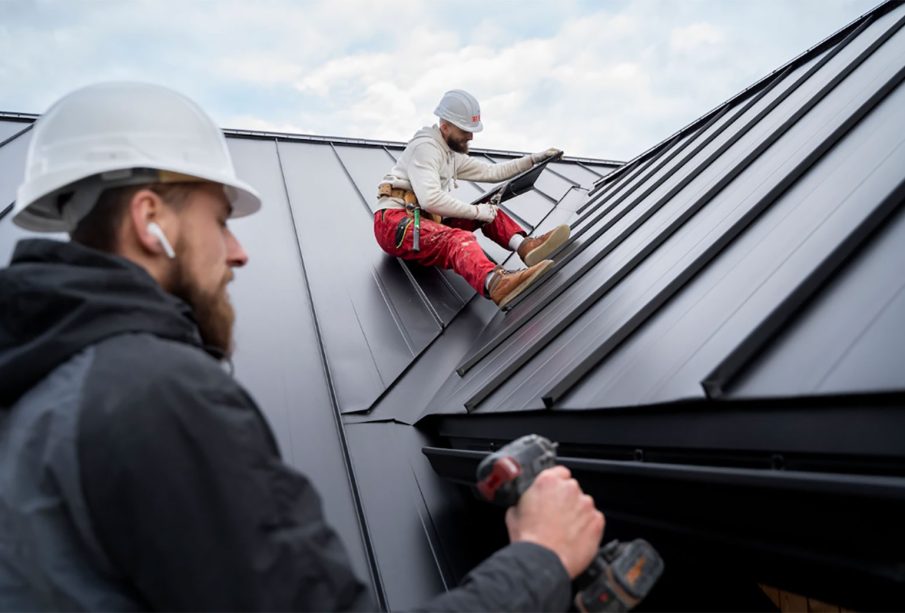
Nobody thinks about the roof until water comes through the ceiling. Then, very quickly, it’s the only thing anyone in the building is talking about. A stained ceiling tile over a reception desk, a bucket in the corner of a warehouse, a strata owner emailing photos of a wet wall at 7am: roof problems have a way of becoming everyone’s problem.
The frustrating part is that most commercial roof leaks aren’t sudden. They’re the end of a slow process. A fastener works loose, a sealant bead cracks under the sun, a box gutter fills with leaves and debris, and one heavy downpour finally tips it over. By the time water appears inside, the damage has often been building for months.
That’s why commercial roofing repair and maintenance works best as a planned activity, not an emergency response. For building managers, facility managers and strata managers across Perth, a roof that’s inspected and looked after on a schedule costs less to run, lasts longer and causes far fewer tenant complaints. This guide covers what goes wrong on commercial roofs, what a sensible maintenance routine looks like, and how to decide between repairing and replacing.
Why Commercial Roofs Fail
Commercial roofs work under tougher conditions than most people realise. They’re larger, often low-pitched or near-flat, and usually carry plant equipment such as air conditioning units, solar panels, exhaust fans and walkways. Every one of those penetrations is a potential leak point.
The most common causes of commercial roof problems in Perth include:
- Blocked box gutters and outlets. Box gutters sit inside the roof line, so when they overflow the water goes into the building rather than over the edge.
- Loose or corroded fasteners. Metal roof sheeting expands in the heat and contracts overnight. Over years, that movement can loosen screws and wear the seals around them.
- Failed flashings and sealants. Flashings around plant, skylights, vents and parapets are exposed to intense UV. Sealants dry out, crack and pull away.
- Buildings closer to the coast are exposed to salt-laden air, which speeds up corrosion on metal sheeting, gutters and fixings.
- Ponding water. Low-pitch roofs with sagging sections or poor falls can hold water, which accelerates wear and eventually finds a way in.
- Foot traffic damage. Contractors servicing rooftop plant can dent sheeting or crack skylights, especially where there are no defined walkways.
Very few of these problems are visible from the ground. That’s the core reason commercial roofs need regular inspections by someone who actually gets up there.
What Good Commercial Roof Maintenance Looks Like
A maintenance program doesn’t need to be complicated, but it does need to be consistent. The aim is to catch small defects before they become leaks and to keep the drainage system working properly.
Scheduled commercial roof maintenance for a typical Perth commercial or strata building usually covers:
- A visual inspection of roof sheeting, fixings, flashings, skylights and penetrations
- Clearing box gutters, eaves gutters, rainwater heads and outlets
- Checking downpipes and stormwater connections are flowing
- Resealing or replacing failed sealant around penetrations
- Replacing loose, missing or corroded fasteners
- Noting any corrosion, ponding or damage for future repair
- Photographing the condition of the roof for the maintenance record
That last point is more important than it sounds. A photo record, taken at every inspection, shows how the roof is ageing over time. It helps justify repair budgets, supports insurance claims and gives strata committees something concrete to base decisions on.
How Often Should a Commercial Roof Be Inspected?
As a general rule, most commercial roofs benefit from inspection at least twice a year. For Perth, the sensible timing is:
- Autumn (March to May): before winter rain arrives, clearing gutters and fixing any defects found
- Spring (September to November): after winter, checking for storm damage and leaks that appeared during the wet months
Buildings surrounded by trees, those near the coast, and roofs carrying a lot of plant equipment may need more frequent attention. It’s also worth an extra check after any major storm.
Commercial Roofing Repair: Fix It Early or Pay Later
When an inspection turns up a problem, the temptation is often to leave it until it causes trouble. With roofs, that’s usually the most expensive choice available.
A loose fastener costs very little to replace. Left alone, it lets water track under the sheeting, rusting the sheet from underneath and soaking the insulation. A cracked flashing seal is a small job; the ceiling, carpet and stock damage it eventually causes is not. Water also rarely appears directly below the defect. It travels along purlins and sarking before dripping through, which is why leaks can be hard to trace and why guesswork repairs often miss.
That’s where proper commercial roof leak detection becomes useful. Tracing the actual entry point, rather than patching wherever the water shows up inside, is the difference between fixing a leak once and fixing it three times.
Common commercial roof repairs include:
- Replacing corroded or damaged roof sheets
- Resealing or replacing flashings around plant and penetrations
- Repairing or replacing box gutters and rainwater heads
- Replacing cracked or brittle skylights
- Re-fixing sheeting and replacing worn fasteners
- Correcting drainage issues that cause ponding
For anything beyond minor work, engaging specialist commercial roofing repairs rather than a general handyman is worth it. Commercial roofs involve larger spans, more complex drainage and serious work-at-height risks, and the repair needs to be done in a way that doesn’t create a new problem somewhere else on the roof.
Keeping Gutters and Drainage Working
On a commercial building, the gutters and drainage system do more to protect the roof than almost anything else. When water can’t get off the roof quickly, it finds another way, and that way is usually into the building.
Box gutters deserve special attention. Because they sit within the building footprint, an overflow sends water straight into ceiling spaces, walls or tenancies. Leaves, dust, sand, bird nests and debris from rooftop work can all block outlets. In heavy rain, a single blocked outlet can overwhelm the gutter in minutes.
Regular commercial gutter cleaning should include:
- Removing debris from box gutters, eaves gutters and valleys
- Clearing rainwater heads, sumps and outlets
- Flushing downpipes to confirm they’re flowing
- Checking overflow provisions are clear and working
- Inspecting gutters for rust, splits and failed joints
Perth’s winter rain tends to arrive in bursts, and the first big front of the season is when poorly maintained gutters get found out. Cleaning in autumn is the easiest way to avoid that.
When Commercial Roofing Repair and Maintenance Can’t Wait
Scheduled inspections catch most problems, but building users are often the first to notice when something has changed. It helps to give tenants, cleaners and on-site staff a short list of things to report straight away, rather than waiting for the next inspection.
Signs that a roof needs attention now include:
- Water stains, bubbling paint or mould on ceilings and upper walls
- Drips or damp patches after rain, even small ones
- Water overflowing from gutters or rainwater heads during a storm
- Rust streaks running down external walls from gutters or fixings
- Daylight visible through the roof in warehouses or ceiling spaces
- Musty smells in ceiling spaces or upper floors
- Higher-than-usual energy use, which can point to wet insulation losing its performance
A single stain might look minor, but it tells you water has already found a path through the roof. The longer it continues, the more likely it is to damage insulation, ceiling linings, electrical fittings and tenant fit-outs. Recording the date, location and weather conditions each time a leak is reported also makes the source much easier to trace when a roofer attends.
For strata buildings, it’s worth making sure owners and occupants know who to report roof issues to, so that problems reach the strata manager quickly instead of sitting in a group chat.
Repair or Replace?
At some point, every commercial roof reaches the stage where ongoing repairs stop making financial sense. The question is how to recognise that point before it becomes urgent.
Repair is usually the right call when:
- Defects are isolated to specific areas or penetrations
- Sheeting is structurally sound with only localised corrosion
- The roof is still within its expected service life
- Leaks can be traced to specific, fixable causes
Replacement becomes worth considering when:
- Corrosion is widespread across the sheeting rather than isolated
- Leaks keep recurring in different places despite repairs
- Repair costs over several years are approaching a meaningful share of replacement cost
- The roof no longer meets the building’s needs, for example drainage that can’t cope with current rainfall or plant loads
Even when replacement is on the horizon, targeted repairs can extend the roof’s life long enough to plan the project properly, budget for it and schedule it at a sensible time of year. A detailed condition report from a roofing inspection gives building owners and strata committees the information they need to make that decision with confidence.
Strata Buildings: Who Looks After the Roof?
For strata managers, roofs raise an extra question: who’s responsible? In many strata schemes the roof forms part of the common property, which would make maintenance a matter for the strata company. However, that isn’t universal. The answer depends on the strata plan and the scheme’s by-laws, and in some schemes parts of the roof may sit within an individual lot.
The same goes for commercial leases, where the lease terms decide whether the landlord or tenant is responsible for roof maintenance and repairs. Before commissioning work or allocating costs, it’s worth checking the relevant documents rather than assuming.
What doesn’t change is the value of a planned approach. Strata committees generally find decisions easier when they’re working from a maintenance plan and a condition report rather than reacting to a leak. A clear schedule of inspections, a photo record and costed recommendations help committees budget sensibly through their sinking or reserve fund and avoid special levies driven by emergencies.
Safety on Commercial Roofs
Commercial roof work carries real risk. Falls from height remain one of the most serious causes of workplace injury in the construction and maintenance sector, and work-at-height rules in Western Australia place duties on those who manage buildings as well as those doing the work.
For building and strata managers, that means:
- Only engaging contractors who can show appropriate safety documentation for roof work
- Knowing whether the roof has compliant anchor points, walkways and access
- Keeping unauthorised people off the roof
- Recording who accesses the roof and why
If the roof lacks safe access or fall protection, that’s worth raising as a priority item. It affects every trade who needs to get up there, not just roofers.
Commercial roofing repair and maintenance comes down to one idea: look after the roof on your schedule, not the weather’s. Most roof leaks are the result of small, slow problems such as loose fasteners, cracked sealants and blocked gutters, and nearly all of them can be caught with regular inspections.
For Perth building, facility and strata managers, a practical routine means inspecting at least twice a year, ideally in autumn and spring, keeping box gutters and outlets clear, tracing leaks to their true source instead of patching symptoms, and keeping a photo record of the roof’s condition over time. When repairs are needed, doing them early is almost always cheaper than waiting. When the roof is nearing the end of its life, a proper condition report turns replacement into a planned project instead of a crisis.
A well-maintained roof rarely gets noticed, which is exactly the point. The buildings that never have a bucket in the foyer are usually the ones where someone is quietly looking after the roof.