
Do Babies Sleep More When Teething? Understanding Sleep Changes During This Milestone
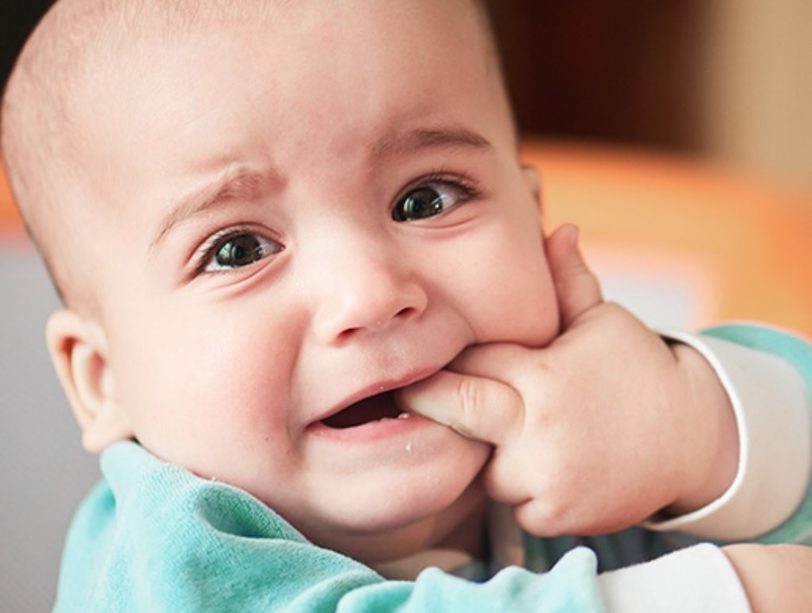
Teething is one of the many milestones most parents are anticipating and looking forward to. But sometimes the excitement you feel for your children reaching this milestone are overcome with all the fussiness, drooling, sore gums, and disrupted routine. There are times, many parents wonder, do babies sleep more when teething or less?
This can look different from one child to another. For most babies it’s common to make sleeping challenging for them, while others may seem to have longer naps or even sleep more soundly than what they do usually. Sleeping more than usual can be the answer as to how their tiny bodies cope with all the discomfort that they are feeling. Learning about what normally happens, what’s not normal and concerning, and how to provide comfort for your child through this phase can make everything go a lot smoother for the both of you.
Similar to the right and supportive organic nursing pillow that provides the proper comfort and support you need during feeding and bonding times, the right soothing strategies for teething can help your baby rest easier and comfortable through this challenging milestone.
The Big Question: Do Babies Sleep More or Less When Teething?
No babies are built the same, their experiences differ from each other, this is why there is no one-size-fits-all answer for this. Many parents notice their baby’s struggle to get a lot of rest when teething this is because of the feeling of discomfort. However, there are some cases where babies tend to sleep more, it’s like their bodies wants that extra hours of rest to cope with the stress of their teeth growing.
Study your child’s patterns, their sleep patterns can either increase or decrease during the time they are teething, but there’s usually nothing to worry about. In cases where the changes are too drastic, like if they aren’t sleeping at all and experiencing fever, this could be something else and should be consulted with your pediatrician as early as possible.
The Common Experience: Why Teething Usually Leads to Less Sleep
Getting less sleep and more sleep disruptions during teething is more common in most families, and here are some reasons behind it:
- Gum pain and pressure: When a tooth is pushing out of the sensitive gums, it could be too painful and uncomfortable. Babies focus on this pain more during the night when there are fewer distractions around them.
- Drooling and coughing: The increase in saliva during teething can lead to often coughing, gagging, or even a mild congestion during bedtime.
- Irritability and clinginess: Babies that are teething often want to feel more comfort from their parents, which makes it harder for them to settle in cribs without much reassurance.
- Night wakings: The pain that babies feel can wake them up multiple times throughout the night.
Parents may feel like it’s the “newborn” stage all over again, more comfort is needed, rocking, or feeding at odd hours and it could sometimes be frustrating, but this disruption is normal and it’s temporary.
The Science of Discomfort: The Painful Reality of Teething
When we look into what’s really happening during teething, it’s no surprise why sleep gets all messed up.
- Inflammation in their gums occur as the tooth breaks through.
- Nerve endings in their gums are really sensitive which makes the pain feel more intense.
- Low-grade fevers or body warmth can go along with inflammation.
- Disrupted feeding, babies may refuse bottles or the breast which can leave them hungrier at night.
These factors are great contributors as to why babies often lose a lot of sleep while they are teething. It’s like when adults try to sleep with a throbbing toothache.
Comforting tools during this phase in your baby’s growth can make a huge difference in making them feel comfortable. For an example, an organic nursing pillow that supports them during the day can also provide support while they are feeding or cuddling during the night, keeping them calm even when their gums are irritating them.
A Different Story: When a Baby’s Body Calls for More Rest
While there are babies who have less sleep in this phase, there are babies that experiences the opposite. These babies sleep more often and more soundly even when they are teething. So, why does this happen?
- Growth and healing require energy: This is comparable to adults fighting off a cold, babies sometimes sleep more to compensate when their bodies are working twice as hard.
- Mild fevers can make babies drowsy: Having a slightly elevated temperature can encourage more sleep.
- Emotional fatigue: Fussing and crying can make babies feel more tired resulting to longer nap times.
As long as your baby doesn’t show these concerning symptoms, like high fever, lethargy, or refusal to eat, combined with their excessive sleepiness, this is usually safe and just simply part of their coping mechanism to heal and adapt with the changes in their body.
Soothing Strategies: Tips for Helping a Teething Baby Rest
The ultimate goal here is to provide comfort for your child whether they may be sleeping less or more during teething. Here are some tips that parents often do to help their child:
- Offer some safe teething toys – Soft and cold teethers can help to ease gum pressure. There are teething toys that you can chill in the fridge (not freezer) for that soothing effect.
- Use gentle pressure – You can massage your baby’s gums with a clean finger which could also relieve some of their discomfort.
- Keep sticking to your routines – Even if your routine is often disrupted or is in chaos, try to keep things as predictable as possible like, bath, feeding, cuddles then lights out. These familiar patterns will help reassure your baby.
- Create a calming environment – keep their room calming, using some blackout curtains, white or brown noise, and keep the room temperature comfortable will help minimize additional sleep disruptions.
- Comfort feeding – some babies want extra nursing bottles for additional comfort. An organic nursing pillow helps make these sessions easier and more relaxing for both babies and parents, especially during the night.
- Pain relief (as needed) – if the pain gets to the point where it’s so severe and unbearable, talking to your pediatrician about safe medications is an option.
- Prioritize providing them comfort and cuddles – there are times when the best remedy is by simply holding your baby close. Because comfort doesn’t just ease the pain, it helps strengthen the bond between you and your child.
The Bottom Line: What to Expect When Teeth Are on the Way
So, do babies sleep more when teething? Sometimes they do, and sometimes they don’t, it will really depend on how the baby will respond to this change. Many babies struggle to get the proper sleep they need due to pain and irritation they feel. But others may sleep more which is their body’s response with all the physical stress of teething.
What’s important is that you look at the bigger picture:
- Small sleep changes are normal during teething.
- Disrupted routines will come back to normal during teething, you just need to keep it consistent.
- Parental comfort is expected more, like cuddles, consistent routines or supportive tools like an organic nursing pillow, will help make a huge difference on how smoothly your child will get through this phase.
Remember, every tooth that emerges brings your little one closer to those adorable baby grins full of pearly whites. These sleepless nights won’t last forever, but the memories you share during these uncomfortable times will stay with you for a lifetime.