
Biltong vs Jerky: What’s the Difference and Which Should You Try?
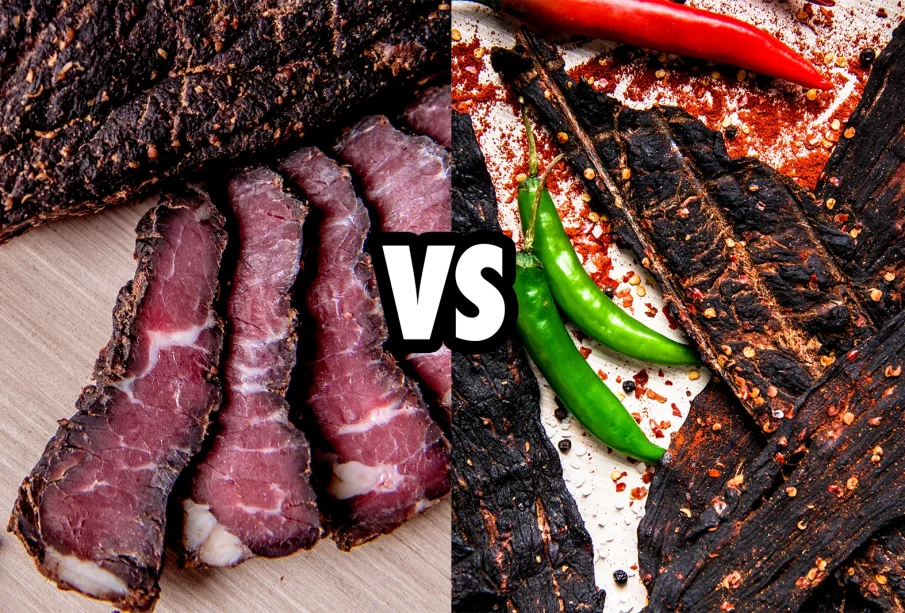
Stand in front of a well-stocked deli counter and you’ll probably see two kinds of dried beef side by side. One is dark, glossy and thin. The other is thicker and rustic, with a dusting of spice and sometimes a strip of fat along the edge. Most people call both of them jerky. Only one of them is.
The other is biltong, a South African speciality that has quietly become a fixture in Australian lunchboxes, esky runs and pub snack bowls. Once you know what separates the two, you won’t mix them up again, and you’ll have a better idea of which one suits your taste. Here’s how the two differ, where droewors fits in, and what to look for when you buy.
Where Biltong and Jerky Come From
Both come from the same need: keeping meat edible long before fridges existed.
Jerky is usually traced back to the Americas. Indigenous peoples of South America dried strips of meat in the sun and wind, and the word itself is thought to come from the Quechua ch’arki. Settlers and travellers carried the technique north, and over time it became the sweet, smoky snack many of us picture today.
Biltong comes from southern Africa. Early Dutch settlers salted and vinegar-cured meat, then hung it to dry in the cool, breezy air of the interior. The name comes from the Dutch words bil (rump) and tong (strip or tongue). As South African families settled in Australia, particularly in Perth, they brought biltong with them. Specialty butchers and producers here have been making it for decades.
How Biltong Is Made Compared With Jerky
The biggest difference is the process, and that is what gives each one its texture and flavour.
Jerky is typically:
- Cut into thin slices, often across the grain
- Marinated in something sweet and savoury, such as soy, sugar, garlic or smoke
- Dried with low, steady heat in a dehydrator or smoker, usually over a few hours
Biltong is typically:
- Cut into thick strips that follow the grain
- Cured in vinegar and salt, then seasoned with coarse coriander, black pepper and other spices
- Hung up to air-dry slowly without cooking heat, often for several days
Because biltong is never cooked, it keeps a softer, denser bite. Depending on how long it hangs, it can be moist and rare in the middle or dry enough to snap. Jerky is more uniform, chewier, and carries its marinade right through. If you like tender meat with a clean, tangy, spiced flavour, traditional air-dried beef biltong is worth a try.
Biltong vs Jerky: Flavour, Texture and Fat
Flavour is where most people pick a side.
Jerky usually leans sweet and smoky, and there’s a wide range of glazes, from teriyaki to fiery chilli. It’s a good starting point if you like a punchy marinade.
Biltong is more about the meat itself. The vinegar gives a light tang, the coriander adds a warm, citrusy note, and the slow drying concentrates the beefy flavour. Many biltong makers leave some fat on, and once dried it turns rich and almost buttery. Fans tend to talk about “fatty” and “lean” biltong the way coffee drinkers talk about roasts.
On texture, think of it this way:
- Jerky: thin, chewy, consistent from edge to edge
- Wet biltong: soft, tender, deep red in the centre
- Dry biltong: firm, crumbly, snappable
Neither is better. They’re different snacks for different moods.
What About Droewors?
Droewors (pronounced roughly “droo-vors”) is biltong’s lesser-known sibling. The name means “dry sausage” in Afrikaans. It’s made from minced beef seasoned with the same coriander-forward spice mix, piped into thin casings and air-dried until firm.
The result is a snappy, portable stick with an intense, peppery flavour. It’s popular at braais (South African barbecues) and on long drives, and it makes a good introduction for anyone who wants biltong flavour in a more familiar shape. If you’ve never had it, look for droewors made the traditional South African way, with whole coriander you can see in the mix.
How to Choose Good Quality Dried Meat
Whichever one you choose, quality depends mostly on the meat. A few things to check:
- The cut and grade of beef. Good producers are specific about their beef. In Australia, look for mention of MSA (Meat Standards Australia) grading, which is based on eating quality.
- Where it’s made. Locally made products often travel a shorter distance from producer to shelf. The country-of-origin label on the pack will tell you.
- A short ingredients list. Traditional biltong needs little more than beef, vinegar, salt and spices. Read the label and choose what you’re comfortable with.
- Dried meat lasts well, but it’s at its best close to packing. Check the date and follow the storage instructions, especially once the pack is open.
It also helps to try a few styles. A mixed bag of lean, fatty and chilli biltong, along with a classic jerky, will tell you more about your own taste than any article can.
Serving Ideas Beyond the Snack Bag
Both work well beyond eating straight from the packet:
- Slice biltong thinly over a green salad or roast pumpkin
- Add chopped droewors to a cheese board with pickles and crusty bread
- Crumble dry biltong into scrambled eggs or a creamy pasta
- Pack a mix of jerky and biltong for picnics, cricket matches or a weekend away
Biltong and jerky look alike, but they differ in origin, method and eating experience. Jerky is thin, marinated and heat-dried, usually sweet and smoky. Biltong is thick, vinegar-cured and slowly air-dried, with a tender texture and a spiced, beefy flavour. Droewors sits alongside biltong as a snappy, sausage-shaped version that’s easy to share.
If you’ve only ever eaten jerky, try biltong next time. Start with a lean cut if you like something firm, or a fattier one if you want it rich. Pay attention to the beef, where it was made and how fresh it is, and you’ll soon know which style you prefer.